
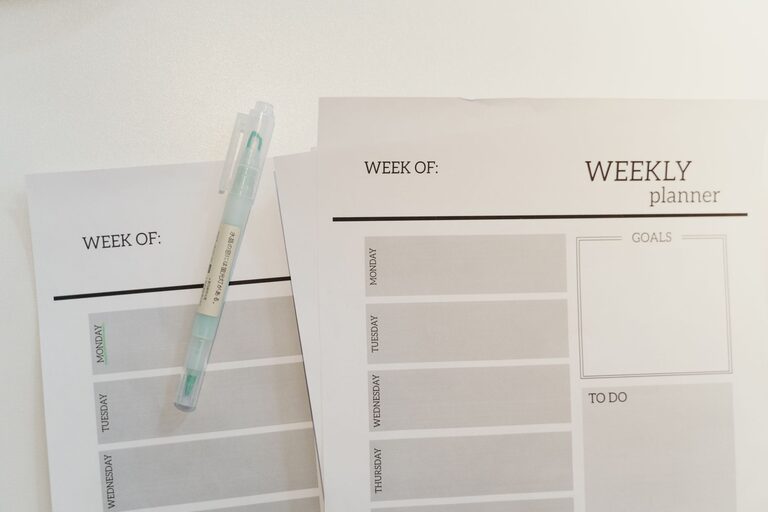

Setting realistic weekly goals is a powerful way to stay organized, motivated, and productive. However, it’s easy to get overwhelmed by ambitious plans or feel discouraged when goals aren’t met. The key lies in setting achievable objectives that guide your work without adding unnecessary pressure.
In this post, we’ll explore how to set practical weekly goals that help you progress steadily and maintain focus. Whether you’re managing work tasks, personal projects, or self-improvement efforts, these tips can improve your planning and results.
Why Set Weekly Goals?
Weekly goals act as stepping stones toward larger projects or long-term objectives. They break down bigger ambitions into manageable portions, allowing you to:
– Track progress in a clear way
– Stay motivated with frequent wins
– Adjust plans based on weekly accomplishments
– Avoid procrastination by having clear targets
– Balance work and personal life effectively
By setting goals every week, you build a habit of reflection and adjustment that supports continuous growth.
Step 1: Reflect on Your Priorities
Before setting weekly goals, take a moment to consider what truly matters to you for the upcoming week.
– Review your monthly or quarterly objectives.
– Identify urgent or important tasks.
– Consider deadlines and commitments.
– Include personal wellness and downtime.
This reflection ensures your weekly goals align with your bigger picture and respect your available time.
Step 2: Be Specific and Clear
Vague goals are hard to measure and often lead to frustration. Instead, aim for clarity by defining exactly what you want to achieve.
Example of vague vs. specific goals:
– Vague: “Work on my blog”
– Specific: “Write and publish one blog post about goal setting”
Being specific helps you know when a goal is complete and gives you a clear action plan.
Step 3: Keep Your Goals Achievable
Setting too many or overly ambitious goals can backfire. Ask yourself:
– Is this goal realistic given my current schedule?
– Do I have the resources and skills needed?
– Can I complete this without overwhelming myself?
It’s better to set fewer achievable goals than many that get left unfinished. Aim for a balance that motivates you without causing stress.
Step 4: Break Down Larger Tasks
Big goals can feel daunting. Break them into smaller, actionable steps you can complete in a week.
For example, if your goal is to organize your home office:
– Sort through paperwork Monday
– Arrange books and supplies Tuesday
– Clean desk and cables Wednesday
Smaller tasks provide momentum and a clearer path forward.
Step 5: Prioritize Your Goals
Not all goals carry the same weight. Use prioritization methods like the Eisenhower Matrix or simple ranking to decide what needs attention first.
– Urgent and important goals go at the top.
– Important but not urgent come next.
– Postpone or delegate less critical tasks.
Prioritizing prevents overload and helps you focus on what drives real progress.
Step 6: Write Down Your Goals
Documenting your goals increases accountability and makes them easier to track.
– Use a planner, app, or journal.
– Write daily or weekly check-ins.
– Set reminders if needed.
Seeing your goals in writing keeps them top of mind and boosts commitment.
Step 7: Review and Adjust Weekly
At the end of each week, spend a few minutes reflecting on what you accomplished and what didn’t work.
– Celebrate completed goals.
– Identify obstacles or delays.
– Adjust next week’s goals accordingly.
This practice turns goal setting into a dynamic process that adapts to your real-life demands.
Tips for Staying on Track
– Set realistic time blocks: Allocate specific hours for each goal-related task.
– Limit distractions: Turn off notifications or find a quiet workspace.
– Use positive reinforcement: Reward yourself for milestones.
– Stay flexible: Life happens; adjust goals rather than abandon them.
– Seek support: Share your goals with a friend or mentor for encouragement.
Sample Weekly Goal Template
| Goal | Priority | Steps to Complete | Deadline | Status |
|—————————|———-|——————————————-|———-|———-|
| Write blog post | High | Research, draft, edit, publish | Friday | In progress |
| Exercise 3 times | Medium | Monday, Wednesday, Saturday workouts | Sunday | Planned |
| Grocery shopping | Low | Make list, shop, organize fridge | Wednesday| Completed|
| Read 2 chapters of a book | Medium | Read Monday and Thursday evenings | Sunday | Pending |
Using a simple table or list like this can help you visualize your goals and track progress.
—
By setting realistic weekly goals, you create a sustainable rhythm for work and life. The process encourages steady improvement while keeping you motivated and focused. Remember to celebrate your wins and adapt your goals as needed. Over time, this habit can lead to greater productivity and personal satisfaction. Happy goal setting!