
Composting at home is a rewarding way to reduce household waste and enrich your garden’s soil naturally. If you’re new to composting, the process might seem intimidating, but with a few simple tips, you can start your own compost pile or bin and enjoy the benefits. This guide will walk you through beginner-friendly advice to get your compost going smoothly.
Why Composting at Home Matters
Composting allows you to turn kitchen scraps and yard waste into valuable organic matter called humus. Instead of sending biodegradable waste to the landfill, where it produces methane gas, composting recycles nutrients to support healthy plants. This practice helps reduce your environmental impact and nurtures your garden with nutrient-rich soil amendment.
Choosing Your Composting Method
There are several ways to compost at home, and you can pick the one that fits your space and lifestyle.
Backyard Composting Pile or Bin
– Ideal if you have a garden or yard with enough space.
– You can build a simple pile or purchase a compost bin.
– Good airflow and layering materials are key.
Indoor Composting
– Suitable for apartments or smaller spaces.
– Use a worm composting bin (vermicomposting) or a sealed kitchen composter.
– Requires regular maintenance but keeps odors controlled.
Community Composting
– If home composting isn’t an option, check for local community compost programs.
– Drop off your compostable materials at designated sites.
What Materials Can You Compost?
A successful compost pile balances two types of materials: “greens” and “browns.”
Greens (Nitrogen-Rich)
– Fruit and vegetable scraps
– Coffee grounds and tea bags (without staples)
– Fresh grass clippings
– Plant trimmings
Browns (Carbon-Rich)
– Dry leaves
– Straw or shredded paper
– Cardboard (non-coated)
– Small twigs and branches
Avoid composting meat, dairy, oily foods, pet waste, and diseased plants to prevent pests and odors.
Steps to Start Your Compost at Home
1. Select a Location
Choose a spot that’s convenient and has good drainage. Partial shade is ideal to avoid drying out or overheating.
2. Gather Your Compost Container or Space
If using a bin, pick one that suits your volume needs — from small kitchen bins to larger outdoor composters.
3. Start Layering Materials
Begin with a layer of browns to provide structure and airflow at the bottom. Alternate layers of greens and browns, aiming for about three parts browns to one part greens.
4. Maintain Moisture
Your compost should feel like a damp sponge. If it’s too dry, add water. If too wet, add more browns.
5. Turn the Pile Regularly
Aerate your compost by mixing it every one to two weeks. This helps speed up decomposition and reduces odors.
6. Be Patient
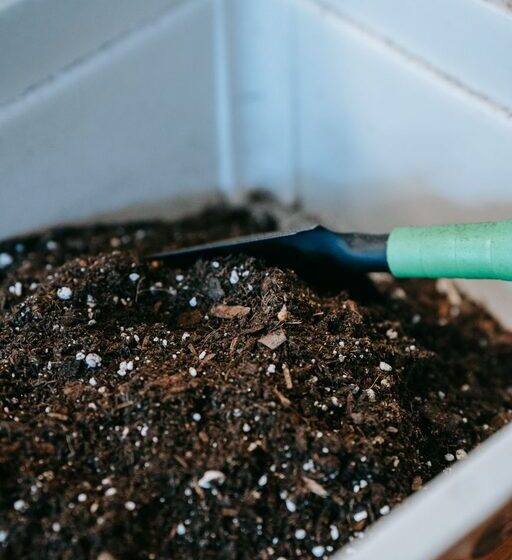
Composting takes time—anywhere from a few months to a year. Finished compost looks dark and crumbly and smells earthy.
Tips for Successful Home Composting
– Chop or shred materials to speed up breakdown.
– Avoid large amounts of citrus or onion peels, which can slow decomposition.
– Use a compost thermometer if you want to monitor pile temperature.
– If pests are a problem, make sure food scraps are buried under browns.
– Add garden soil or finished compost to introduce helpful microbes.
Using Your Finished Compost
Once your compost is ready, use it as:
– A soil amendment mixed into garden beds.
– Mulch around plants to retain moisture.
– A nutrient boost for potted plants when mixed with potting soil.
Troubleshooting Common Issues
| Problem | Cause | Solution |
|———————–|——————————-|——————————–|
| Bad odors | Too much green or moisture | Add more browns; turn pile |
| Slow decomposition | Lack of air or nitrogen | Turn pile; add greens |
| Pests | Food scraps exposed | Bury scraps under browns |
| Dry pile | Too much sun or no watering | Water pile; add moisture-rich materials |
Final Thoughts
Starting composting at home is easier than it seems and offers considerable benefits for your garden and the environment. By following these beginner tips, you’ll be on your way to creating rich, organic compost from everyday waste. Remember, composting is both a science and an art, so don’t hesitate to experiment and adjust your process as you learn what works best for your space.
Happy composting!